PROSTATE SELF-TEST
The PSA test is a simple at-home finger-prick blood test that measures the level of prostate-specific antigen (PSA) in your blood. It can help identify changes that may be linked to prostate cancer or other prostate conditions. A convenient way to check your prostate health from home, the PSA test provides useful information to support further discussion with a healthcare professional.

-
 Fingerstick Blood
-
 Accuracy >98%
-
 Clinically Tested
-
 Result
in 10-15 mins.

Test Overview
Symptoms
- Frequent or urgent need to pee (urinate), especially at night
- Urinary incontinence
- Sudden urge to pee
- Difficulty starting or stopping urination
- Weak or interrupted urine flow
- Pain or burning while urinating
- Blood in your urine or semen
- Painful ejaculation
- Discomfort in the lower back, hips, or pelvis
- Problems with starting or maintaining an erection

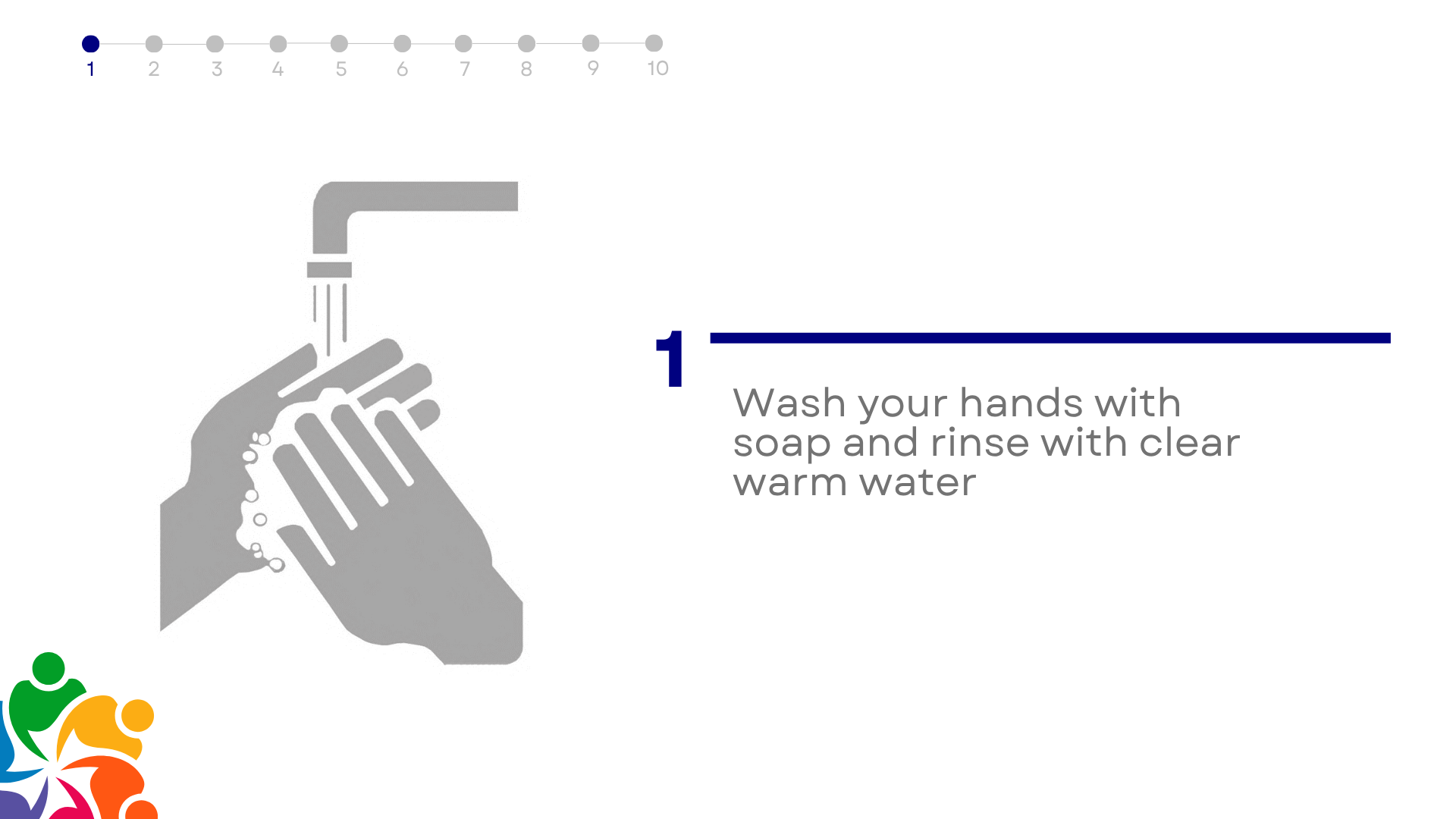
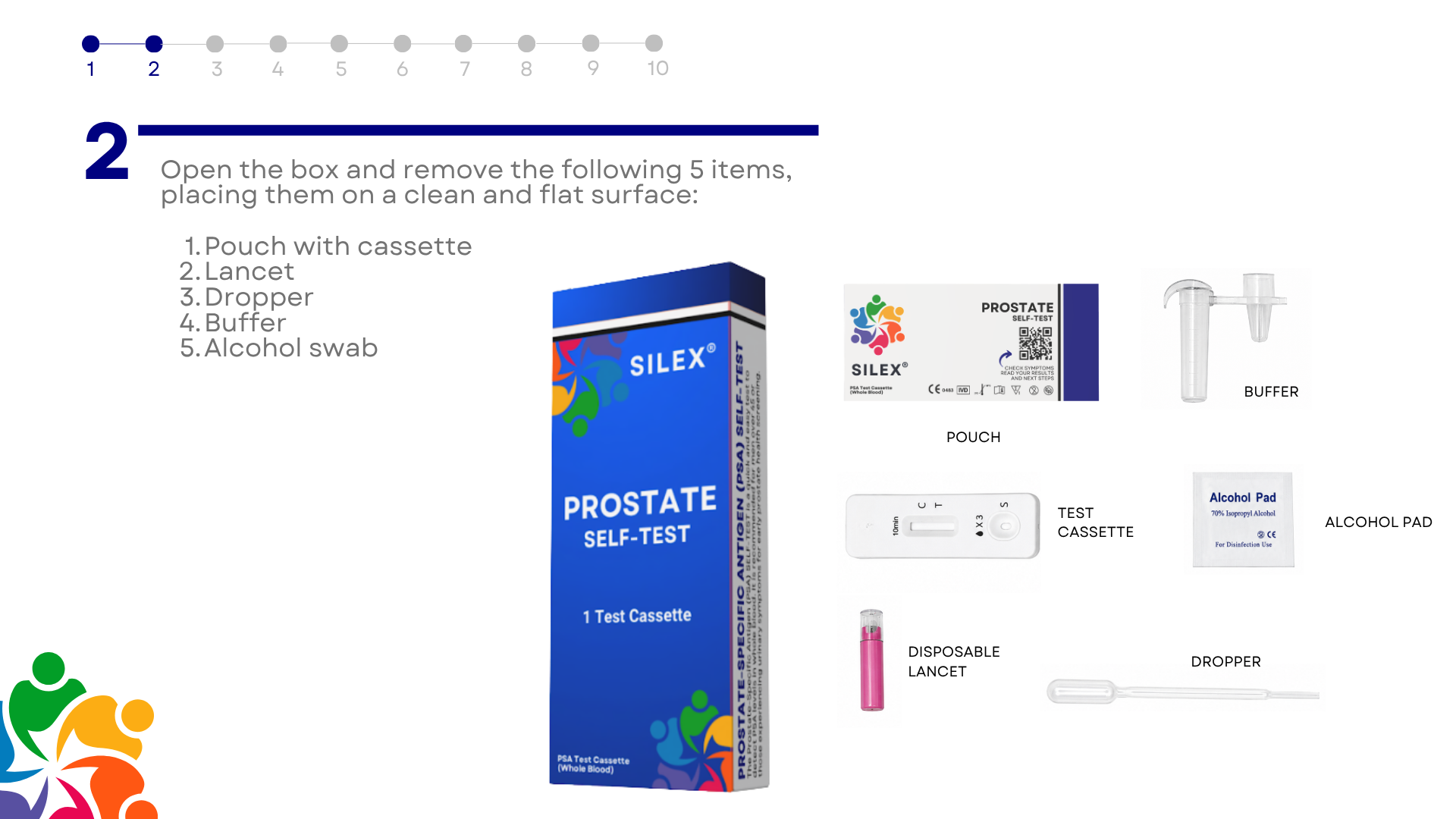
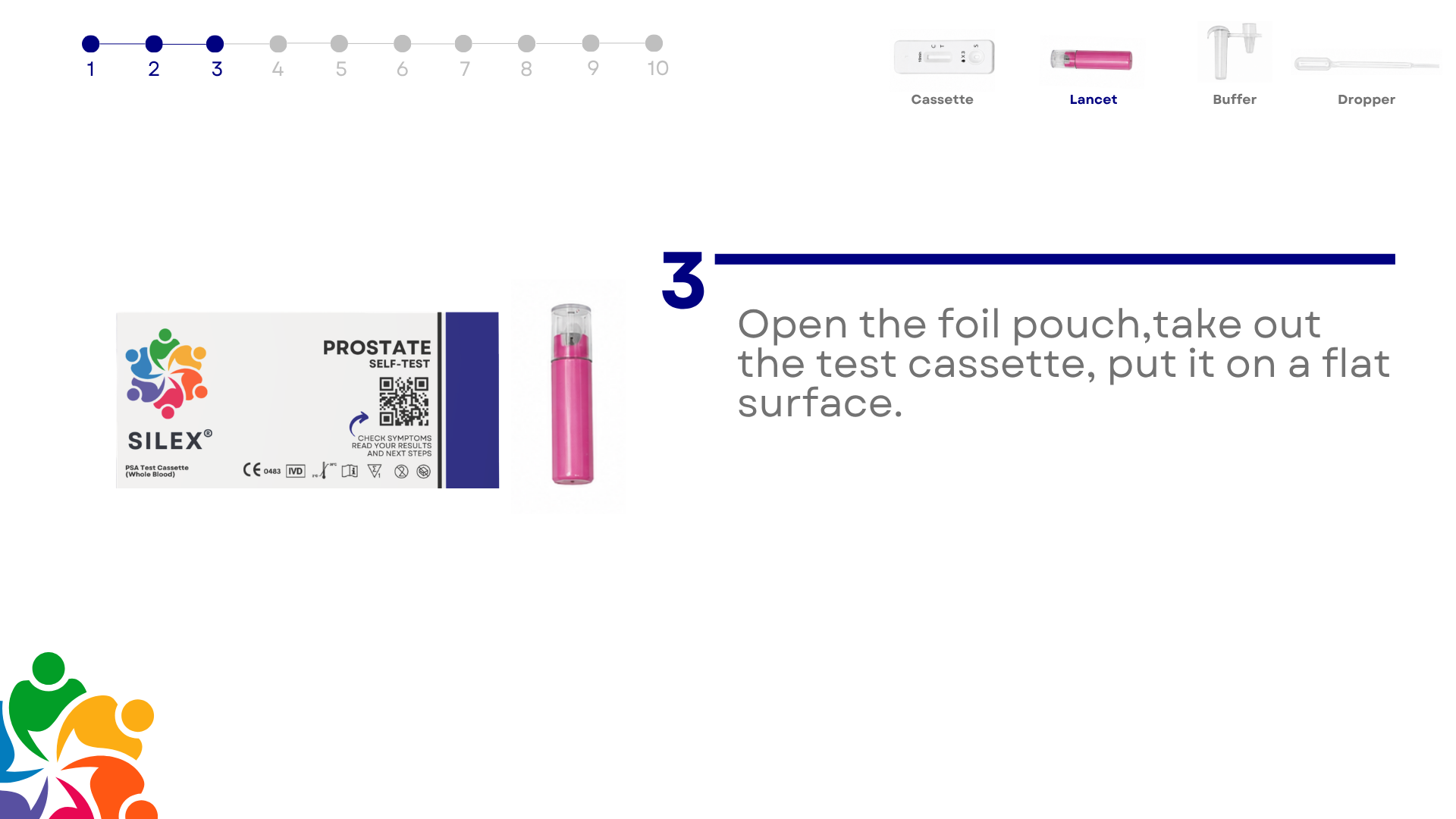
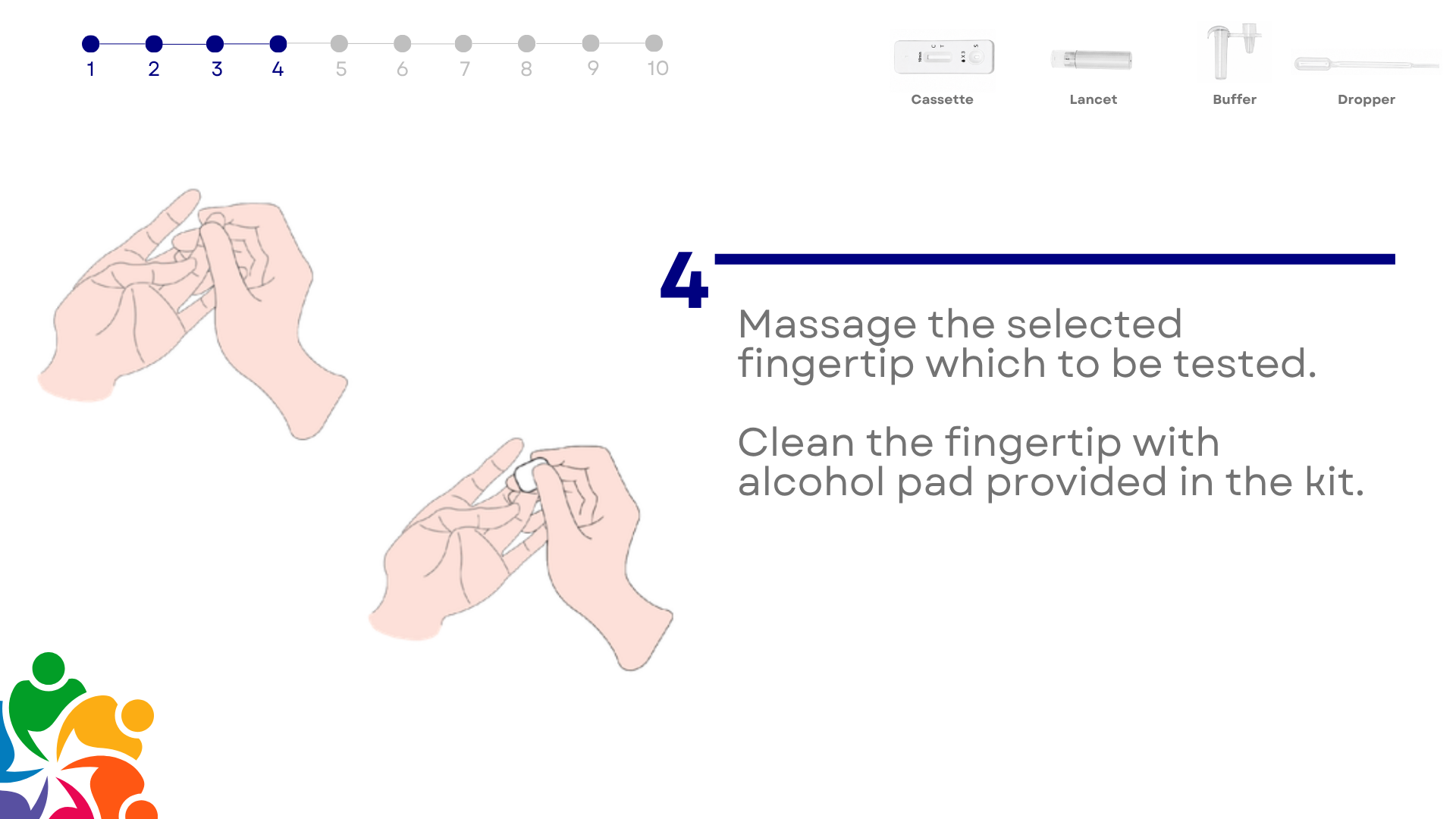



FAQs
Symptoms of prostate disease may include:
- Frequent or urgent need to pee (urinate), especially at night.
- Urinary incontinence
- Sudden urge to pee
- Difficulty starting or stopping urination
- Weak or interrupted urine flow
- Pain or burning while urinating.
- Blood in your urine or semen.
- Painful ejaculation
- Discomfort in the lower back, hips, or pelvis.
- Problems with starting or maintaining an erection
Many men however will have no symptoms at all.
You might consider PSA testing if:
- You’re experiencing symptoms of prostate disease
- You have a family history of prostate cancer
- You’re over 50 (or over 45 if you’re at higher risk)
- You want to check your prostate health proactively
Early detection of prostate issues, including cancer, is crucial because it allows for more treatment options and a better chance of successful outcomes. Many prostate problems can develop slowly without noticeable symptoms. Detecting these early through a PSA test or other screenings can help catch problems before they become more serious.
You may be at higher risk if:
- You have a family history of prostate cancer.
- You’re over 50 years old.
- You are of African or Caribbean descent.
- You have certain lifestyle factors, such as being overweight or having a sedentary lifestyle.
A raised PSA level can be due to cancer. However, it is more commonly caused by other conditions, such as:
- Benign prostatic hyperplasia (BPH), an enlarged prostate.
- Prostatitis, an inflammation or infection of the prostate.
- Urinary tract infections.
Several other factors can affect PSA levels, including:
- Recent sexual activity or ejaculation, including anal sex.
- Vigorous exercise, especially cycling.
- Certain medical procedures, such as a prostate biopsy or surgery
- Urinary catheter
- Medications used to treat an enlarged prostate, such as finasteride (The test may not be suitable for those on finasteride as the medicine reduces PSA levels)
- Increased age
As multiple things can affect the PSA, it is important to wait for a certain amount of time before taking the test:
- Ejaculating (coming): 48 hours
- Any activity which leaves you out of breath: 48 hours
- Having anal sex or receiving prostate stimulation: 1 week
- Undergoing a rectal examination by a doctor: 1 week
- Urine infection: 6 weeks
- Prostate biopsy: 6 weeks
- Urinary catheter: 6 weeks
All of these can erroneously increase the PSA results.
If your PSA level is high, do not jump to conclusions— it is more likely to not be cancer. Speak to your doctor, who may recommend further tests, such as a physical exam or scans. These can help determine the likely cause and guide next steps.
Yes, you can take steps which may help reduce your risk, such as:
- Eat a healthy diet rich in fruits, vegetables, and whole grains.
- Maintain a healthy weight.
- Stay active with regular exercise.
- Avoid smoking and limit alcohol consumption.
The PSA test has a few limitations:
- It does not distinguish between cancer and other prostate issues as the cause for the raised PSA.
- Some men with prostate cancer may have normal PSA levels.
- A high PSA can lead to unnecessary worry and additional tests, which may not be needed for some people.
- Overdiagnosis is possible, leading to treatment of slow-growing cancers that may not have caused problems. However, some cancers at an early stage are now just monitored closely.
Not necessarily. While a normal PSA level is a good sign and reduces the likelihood of prostate cancer, it doesn’t completely rule it out. Some men with prostate cancer may have PSA levels within the normal range. Other tests, such as a physical exam or imaging, may still be necessary if you have symptoms or are at higher risk. Always consult your doctor if you’re concerned about your prostate health.