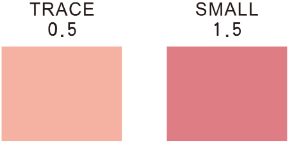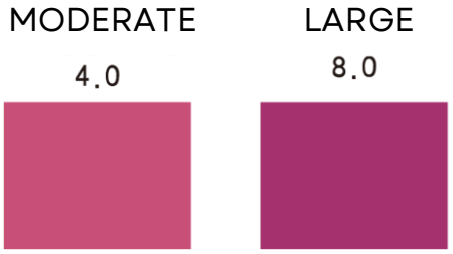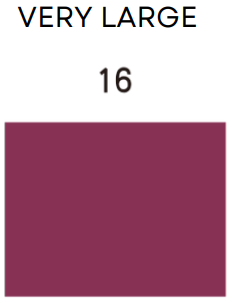
KETO-X SELF-TEST
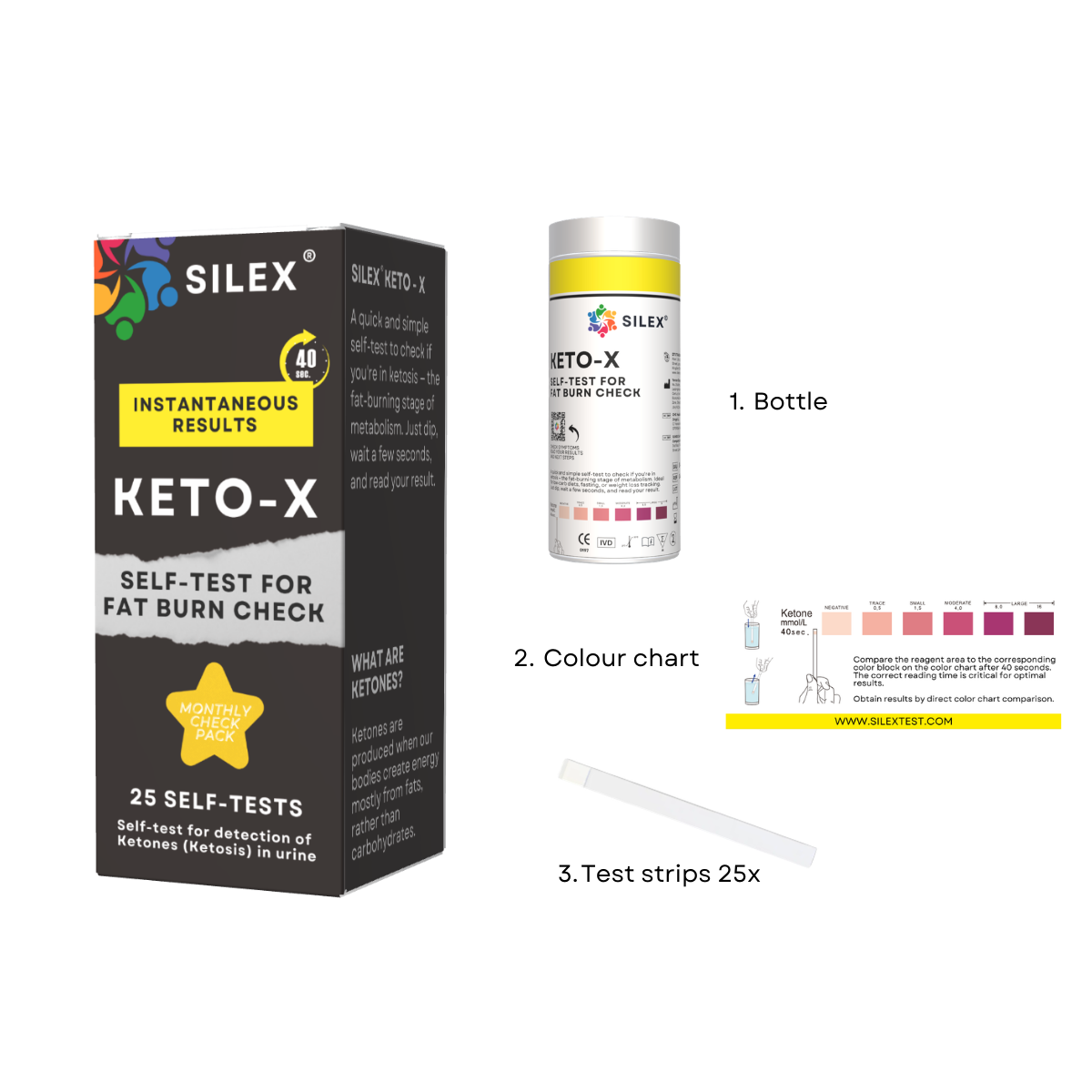
The ketone urine test is used as a self-test to determine the level of ketones in your body. Ketones are produced when our bodies create energy mostly from fats, rather than carbohydrates. When you are producing ketones in your blood or urine, this is known as a ‘ketosis state’ and increases your ability to lose weight.

-
 URINE
URINE
-
 ACCURACY > 95%
-
 CLINICALLY TESTED
-
 RESULT
IN 40 sec.
Test Overview
Symptoms
When entering ketosis, some people experience temporary side effects as the body adapts to burning fat for energy. Common symptoms include:
- fatigue
- nausea
- constipation
- bad breath
- headaches
- brain fog
- muscle cramps
- increased hunger
- dehydration (often called “keto flu”)







FAQs
Ketones can also be raised in prolonged periods of starvation, in what is called starvation ketosis, or in people with diabetes, particularly if they use Insulin. If you have high ketones, especially in these situations and have been feeling generally unwell, you should seek urgent medical attention.
To try to enter a ketosis state, it is important to limit your carbohydrate intake, to a maximum of 50 grams a day. The list of carbohydrate heavy foods is extensive but below are some examples:
- Starchy vegetables: Potatoes, peas, corn, artichoke
- Refined carbohydrates: Bread, pasta, pastries
- Grains: Rice, wheats, quinoa, oats, rye
- Legumes: Beans, chickpeas, lentils
- Processed foods: Crisps, pizza, fries
- Sugary drinks: Juices, sodas, beer
- Condiments: Ketchup, barbecue sauce, sweet chilli sauce
- Fruits: Grapes, mango, bananas, dates
You may consider using a diet tracking app to help monitor this.
While every person’s diet will be personalised, there are some foods which are particularly beneficial for those trying to enter a ketosis state. Some of these are summarised below:
- Low sugar fruits: Berries, coconut, avocado
- Healthy fats: Extra virgin olive oil, avocado oil
- Cheese: Cheddar, feta, mozzarella, cream cheese, blue cheese, cottage cheese
- Lean protein: Poultry, lamb, beef, eggs, fish, shrimp
- Leafy greens: Spinach, kale, cabbage, lettuce
- Other vegetables: Green beans, broccoli, asparagus, cauliflower, mushrooms, okra, celery
- Nuts and seeds: Walnuts, almonds, chia seeds, almond milk
Generally, you should be trying to have around 55-60% of your diet through fat, 30- 35% through protein and 5-10% through carbohydrates.
Despite its potential positive effects, it is important to note that going into a ketotic state can come with some side effects, particularly early on. These vary from person to person. People can find themselves becoming quite tired, as well as feeling nauseous. Some will develop constipation and a distinctive smell to their breath. Some will also develop what is known as ‘Keto-flu’ , with a mixture of flu like symptoms such as headache, brain fog, muscle soreness and cramps, difficulty sleeping and feeling generally run down. Increased hunger is common, as is people feeling dehydrated, so it is important to drink plenty of fluids, especially while starting out. All of this is due to your body adapting to the new diet and should improve once the body gets used to converting ketones into energy. Usually, these symptoms pass within a few days or up to a few weeks for some people. However, if you are concerned or feeling very unwell during the shift in diet, or have significant vomiting, diarrhoea, abdominal pain and fevers, you should seek medical attention to make sure there are no other causes.
Though this stage is different for every person, a state of ketosis usually occurs over 2 to 4 days, when taking in between 20 to 50 grams of carbohydrates per day. This could be 2 bananas, 3 slices of bread or 1 cup of cooked white rice. The time is quite individualised however and can depend on many factors, including:
- Level of physical activity
- Metabolic rate
- Sleep quality and quantity
- Age
- The ratios of carbohydrate, protein, and fat intake
- Eating a high carb diet before starting
It is best to check your levels at the same time each day. Once you have reached a ketosis state, you may be able to monitor less frequently.
There are some who should not try the ketogenic diet at all. This includes people with inflammation of the pancreas (pancreatitis), liver scarring (cirrhosis) or liver failure, advanced kidney disease, pregnant women, a history of eating disorders or rarer conditions such as:
- Porphyrias
- Carnitine deficiency
- Pyruvate kinase deficiency
- Disorders of fat metabolism
It could also potentially be harmful to do so if you have diabetes and are taking Insulin in particular and this should not be done without first speaking to your doctor. As with any major shift in your lifestyle generally, you should discuss this with your healthcare provider if you have any concerns.