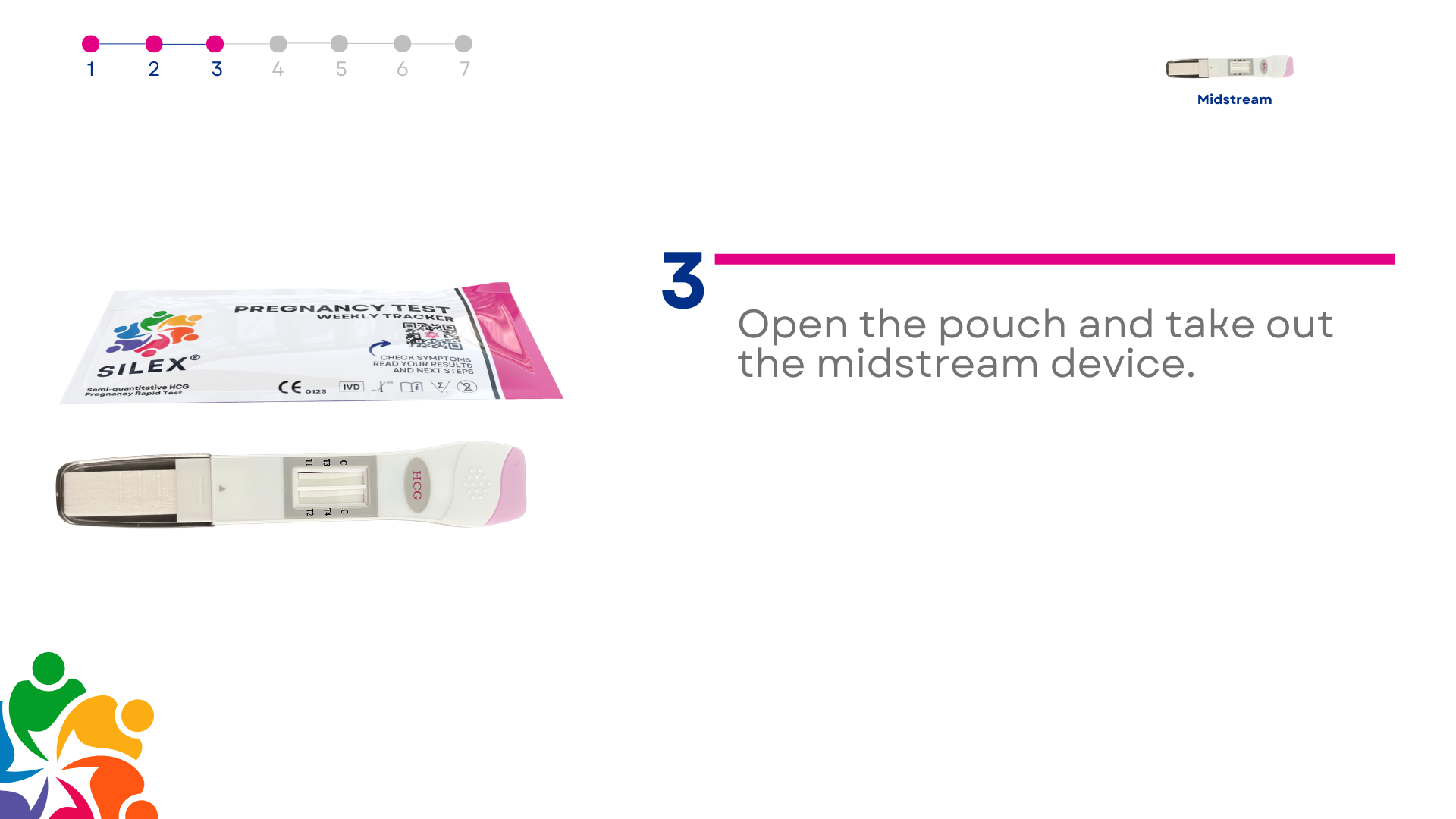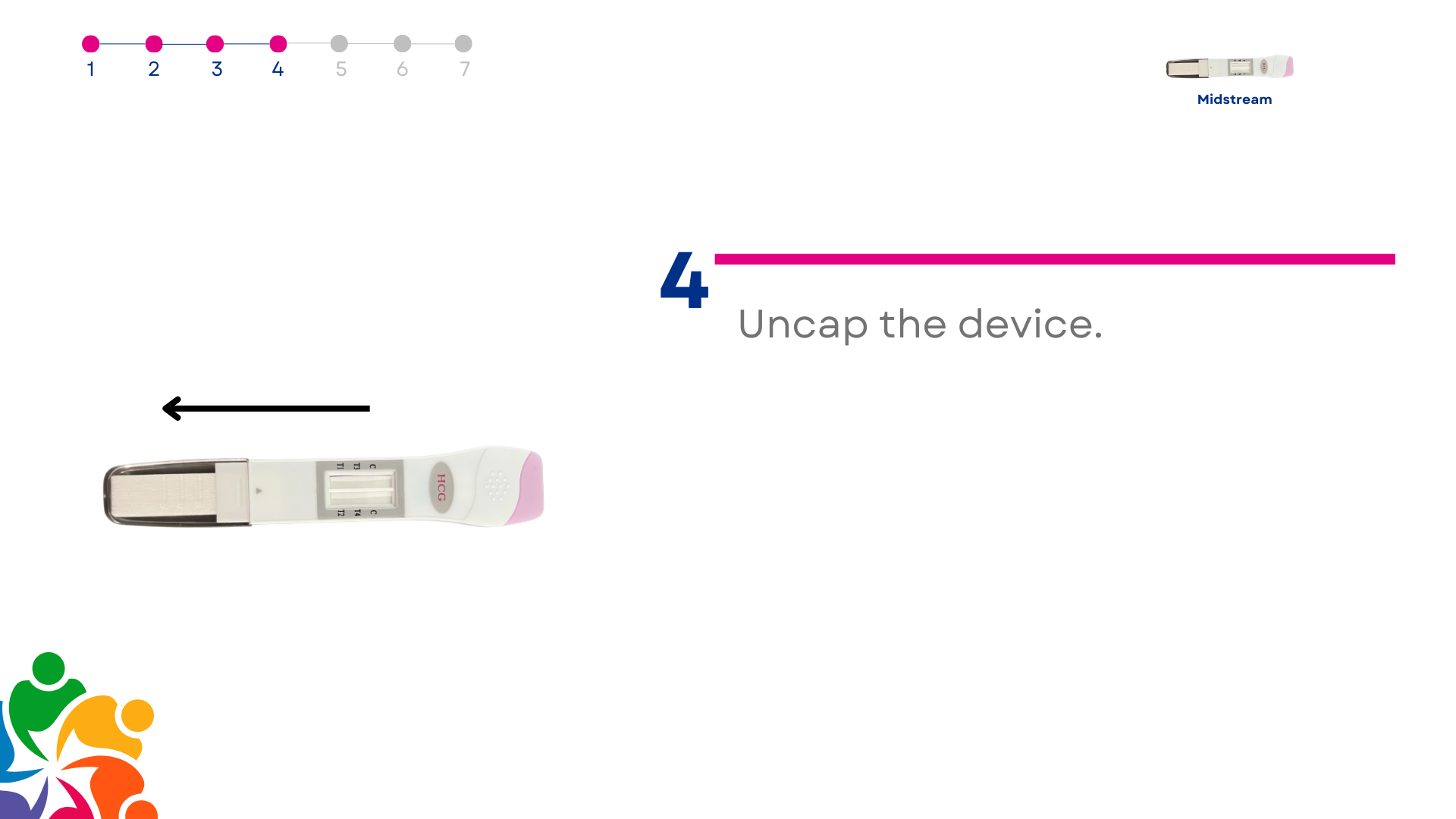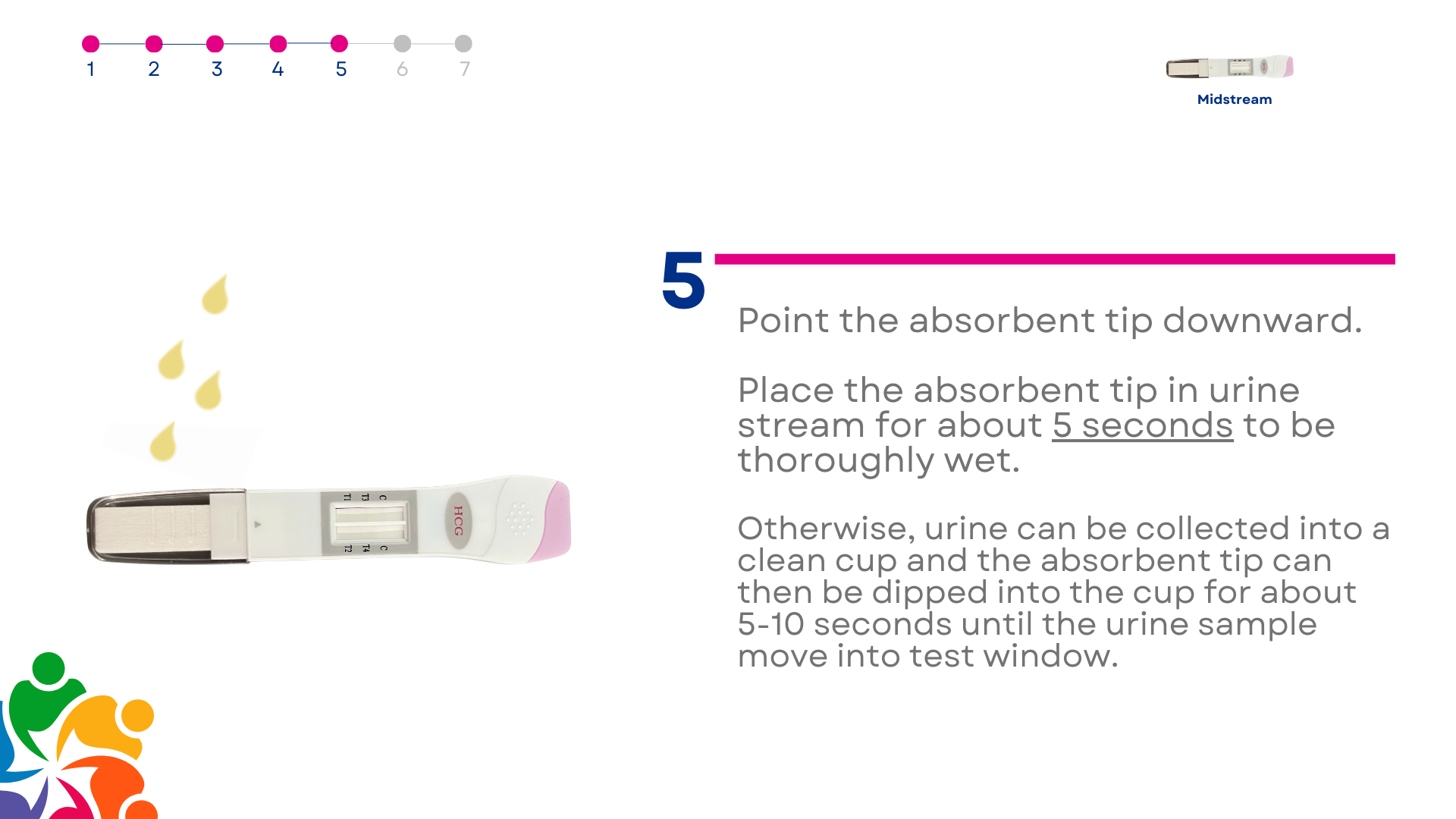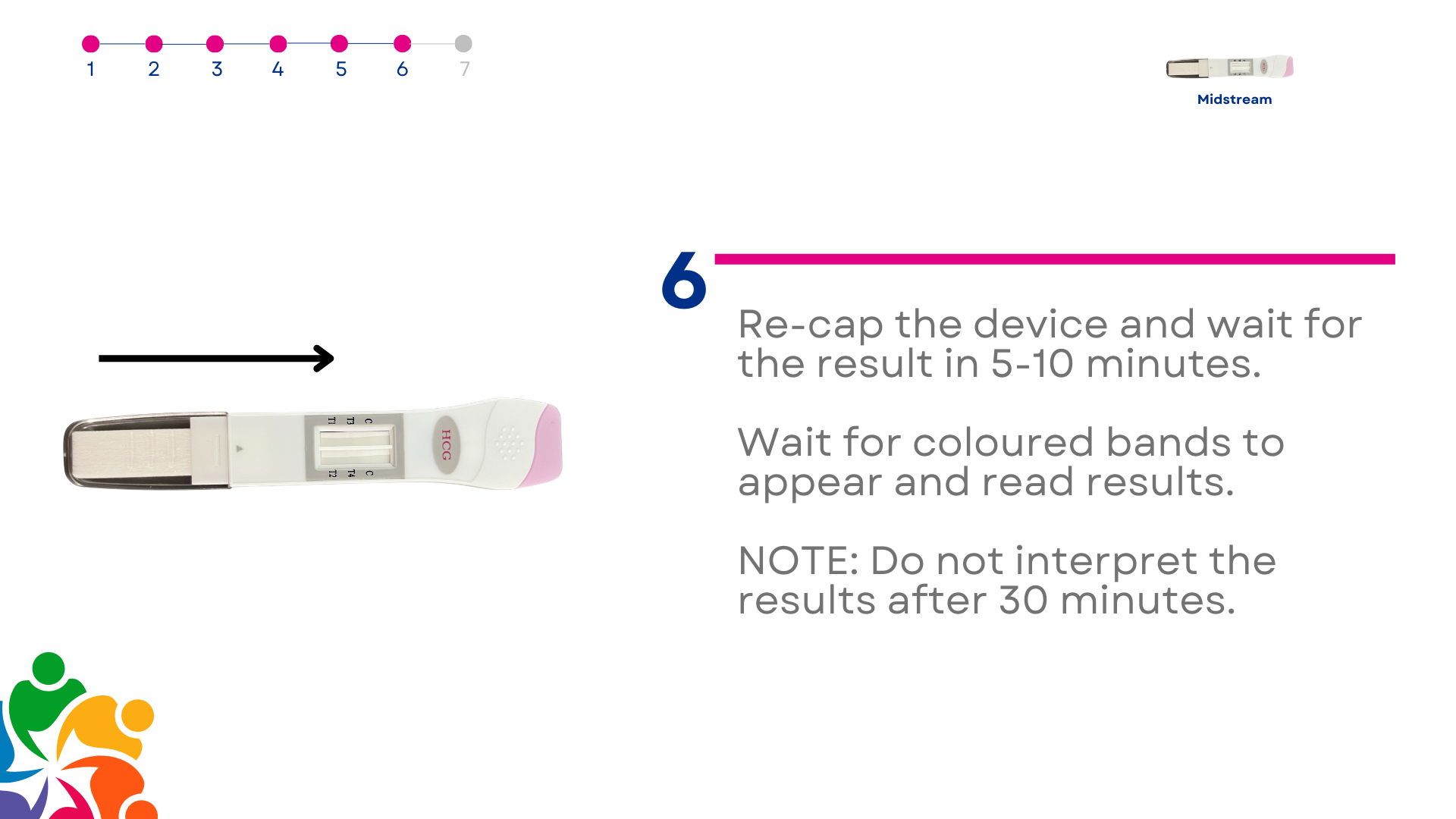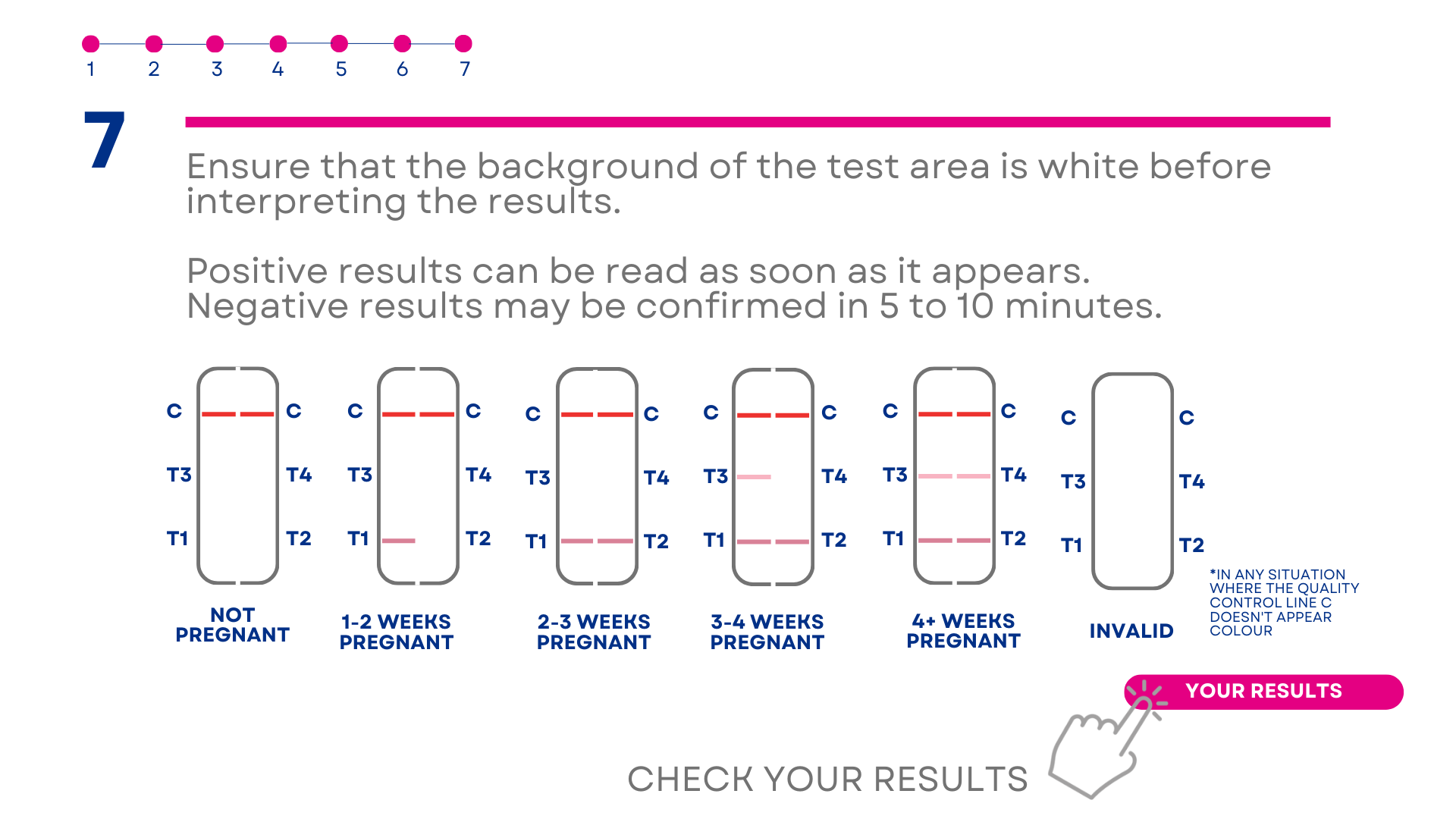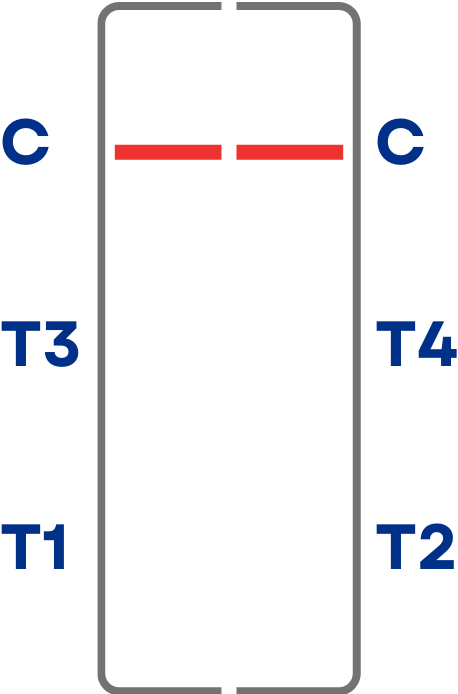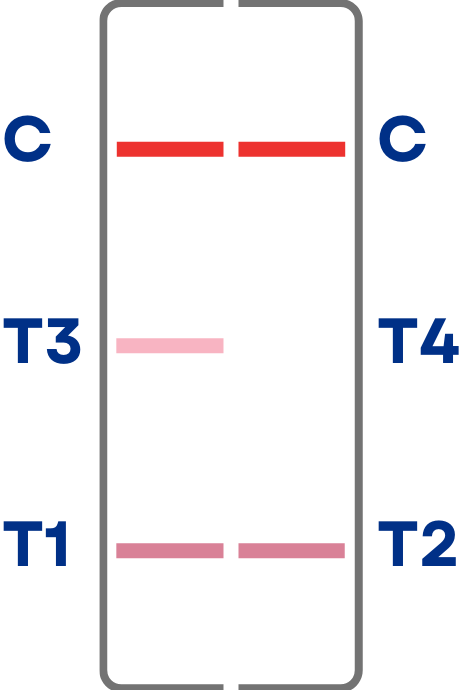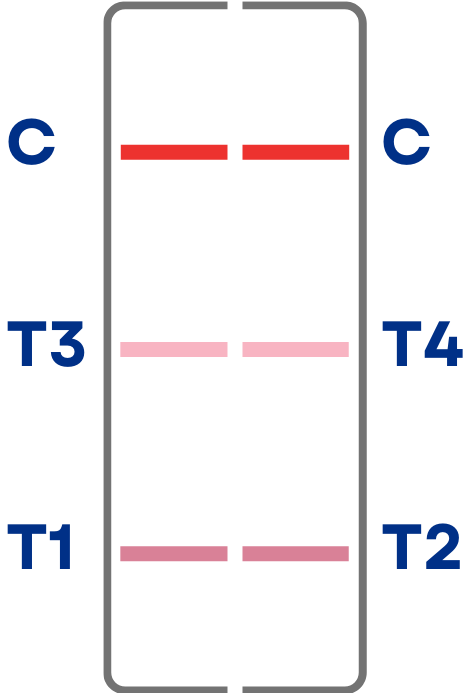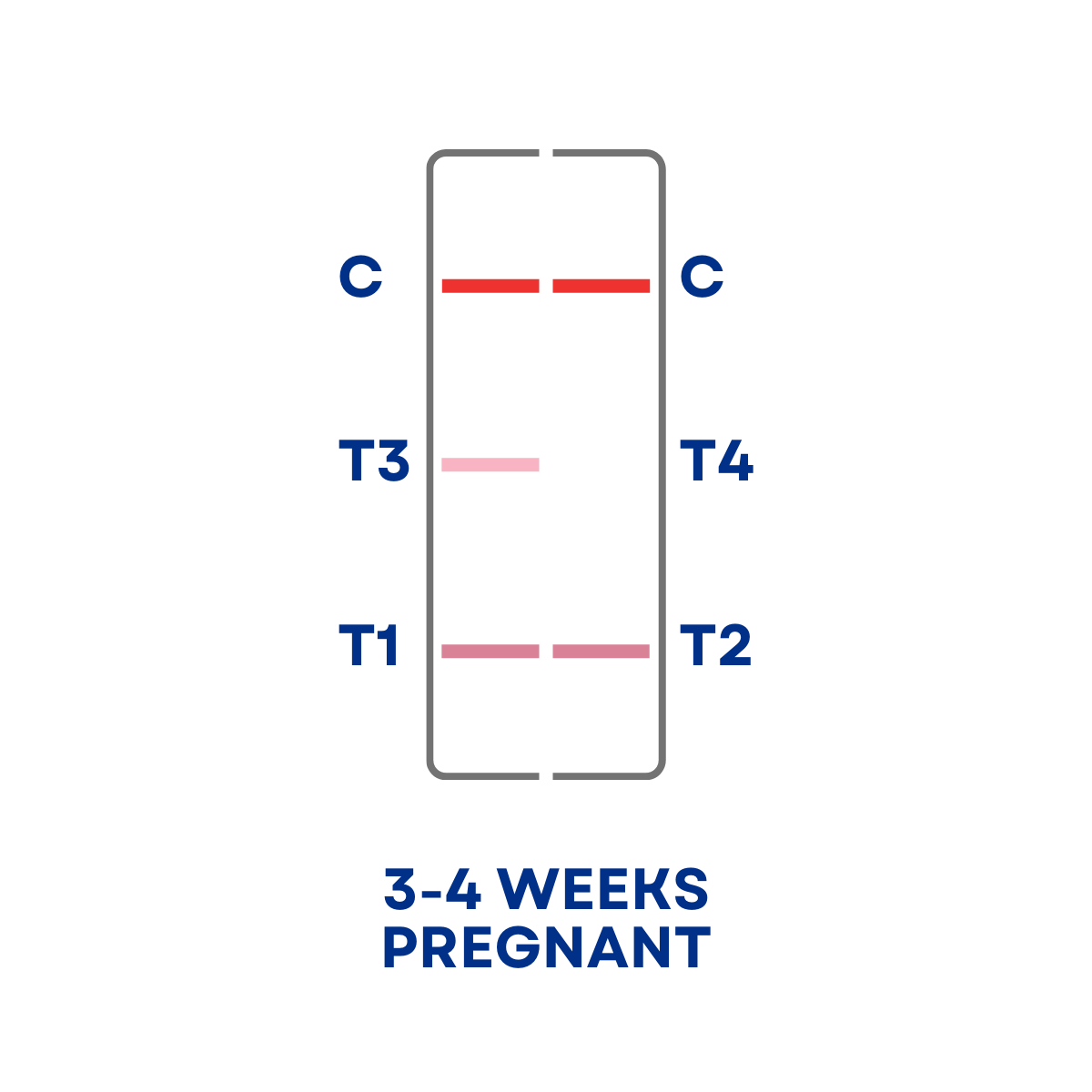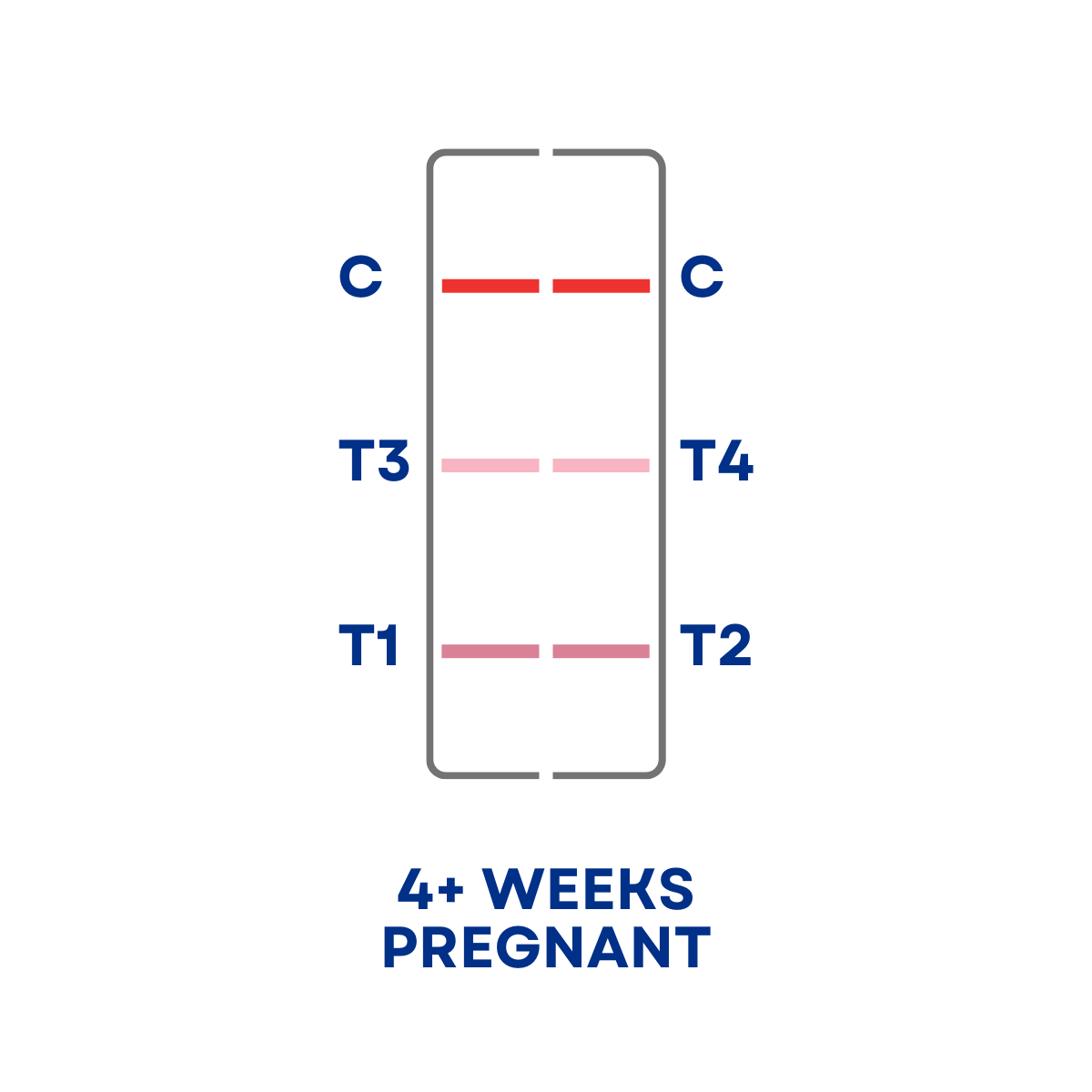
PREGNANCY TEST WEEKLY TRACKER

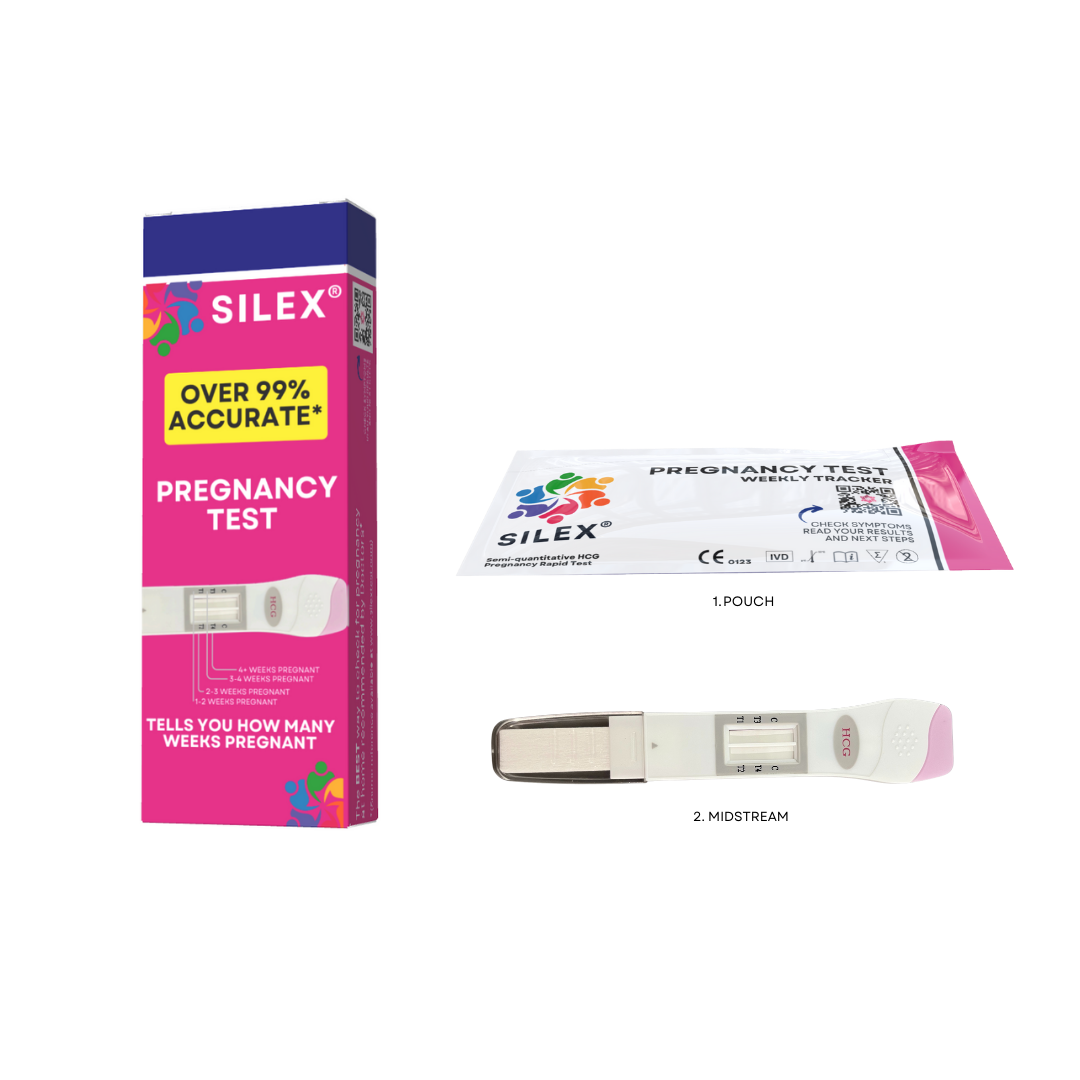
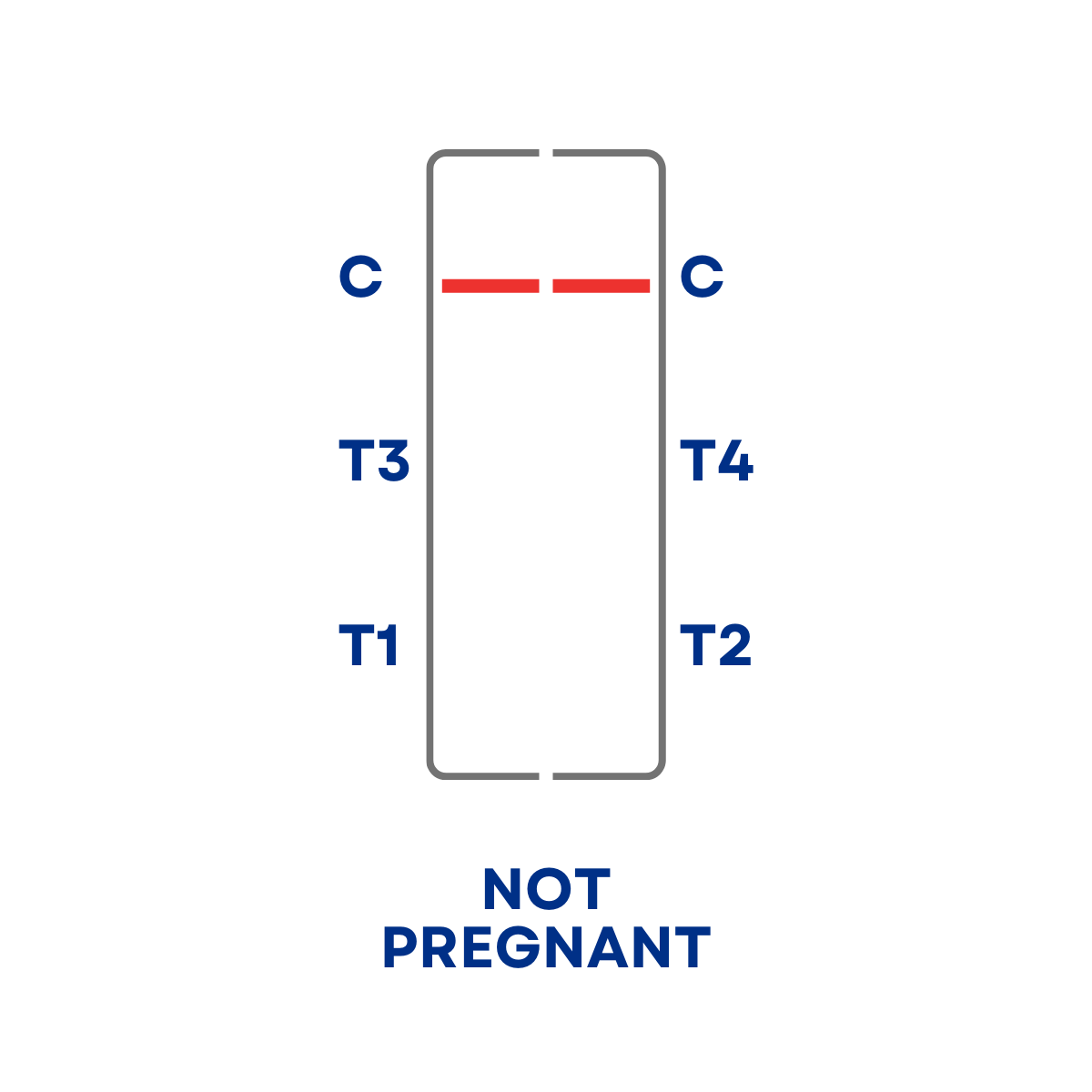
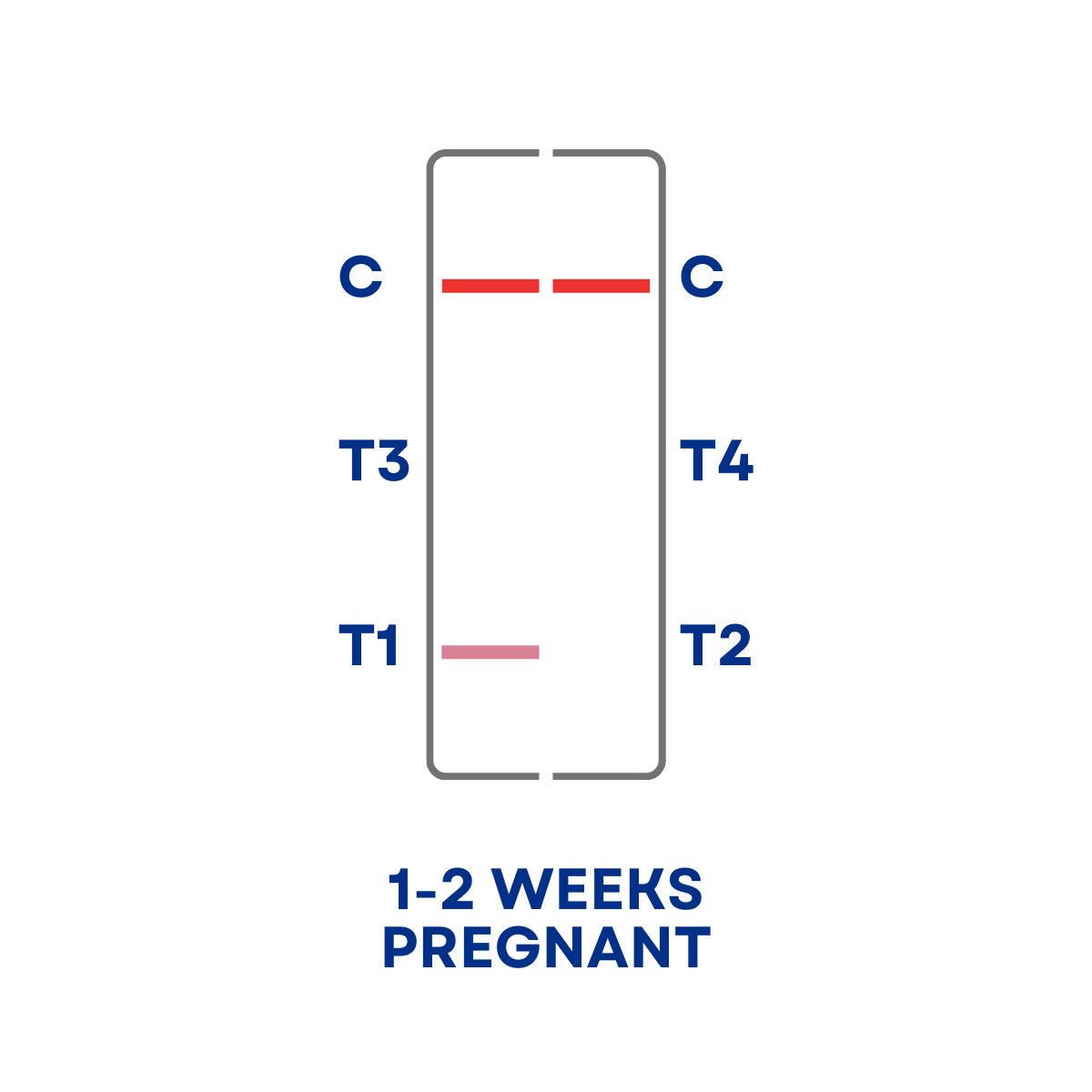
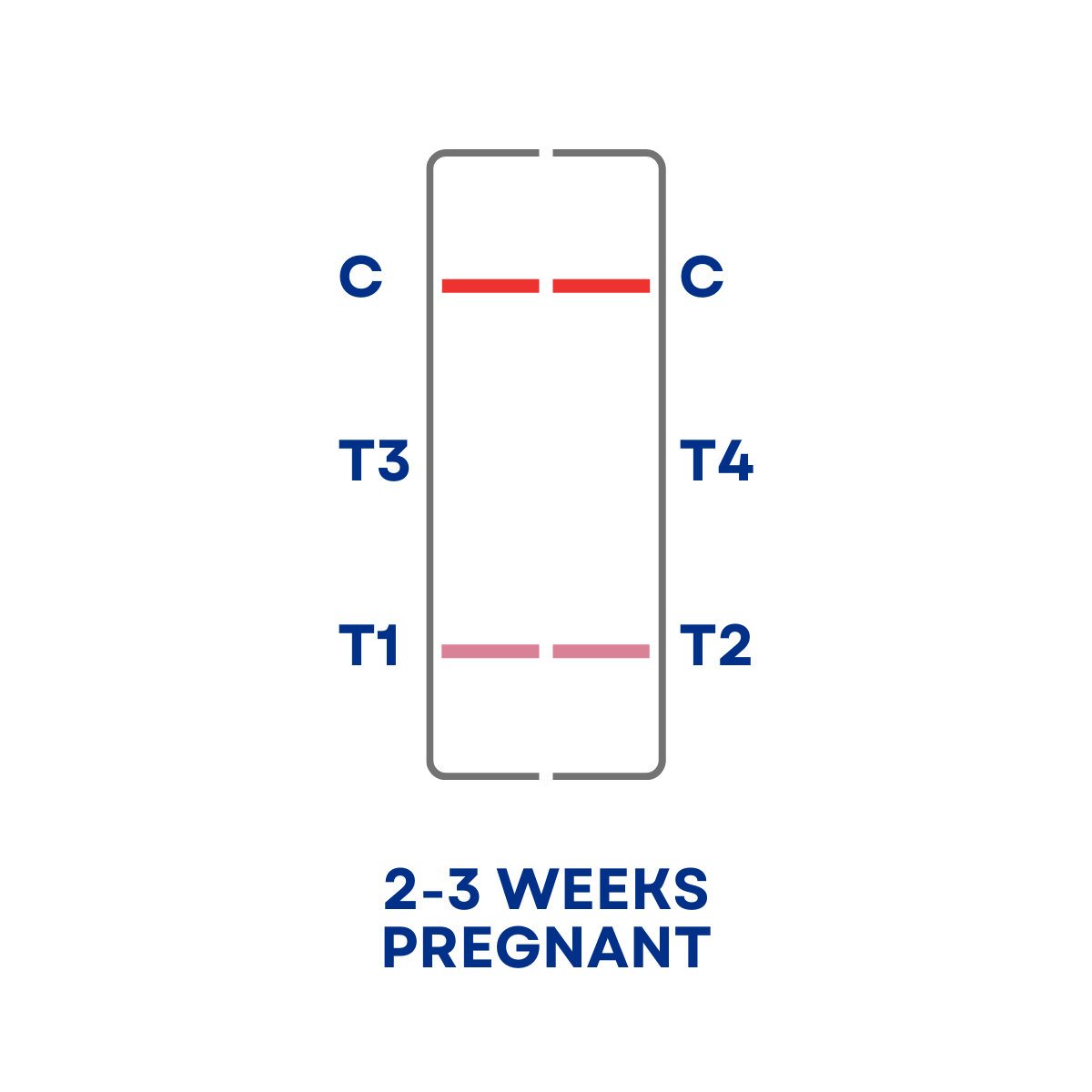
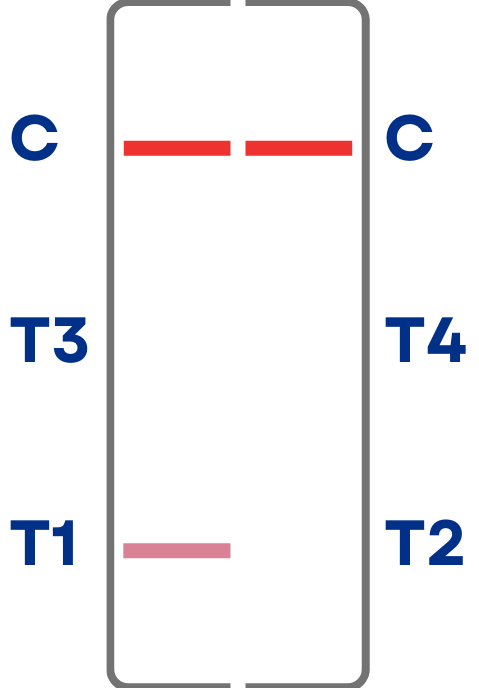
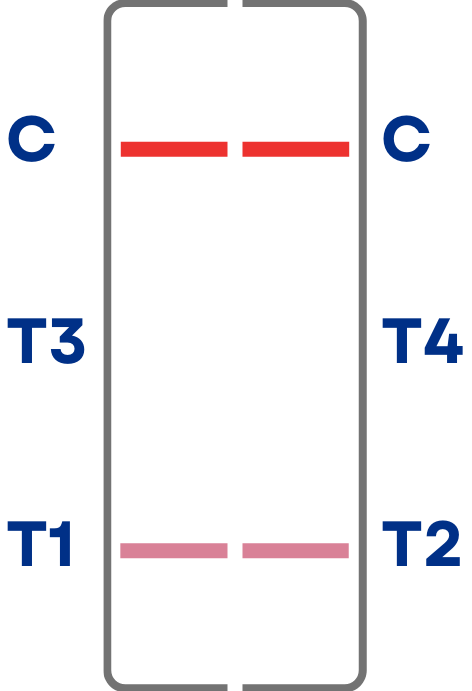
The Silex pregnant self-test is an easy-to-use urine test that checks if you are pregnant and estimates how far along you may be. If you think you are pregnant or are trying to get pregnant, the Silex self-test offers a convenient way to check from the comfort of your home.

Instruction for use

  • URINE
  • ACCURACY > 99.99%
  • Clinically Tested
  • Result
    in 3-5 mins.

Test Overview

Symptoms

Every pregnancy is different. Some women may not even have any early symptoms. Common early symptoms include:

  • Missed period
  • Sore or swollen breasts
  • Nausea or “morning sickness”
  • Tiredness
  • Needing to pee more often
  • Food cravings and aversions
FAQs

The best time to take a pregnancy test is from the first day of your missed period. The test may be positive up to 5 days before a missed period, though the risk of a falsely negative test is higher.
 
The Silex pregnancy test checks for a hormone called hCG (human chorionic gonadotropin) in your urine. hCG is made by the body shortly after a fertilised egg attaches to the womb. If this hormone is present, the test will show a positive result.
 
The best time is first thing in the morning, when your urine is most concentrated and hCG levels are easier to detect. However, it can be positive at any time of the day. Make sure not to drink lots of fluids right before the test, as it can dilute your urine and may affect the result.
 
Yes, it will work even if you are on contraceptives. Contraception can reduce your chance of getting pregnant, but no method is 100% effective. Even if you are using hormonal contraceptives like the pill, the test will still detect hCG.
 

Every pregnancy is different. Some women may not even have any early symptoms.

Common early symptoms include:

  • Missed period
  • Sore or swollen breasts
  • Nausea or “morning sickness”
  • Tiredness
  • Needing to pee more often
  • Food cravings and aversions
 
Many factors affect a couple’s chances of conceiving, such as age and general health. On average, most couples conceive within a year of trying if they are having regular sexual intercourse. For some couples, it happens in a month or two, while for others it might take longer. If you’re under 35 and haven’t conceived after 12 months (or after 6 months if over 35), it’s a good idea to speak with a doctor to discuss your options.
 

Thinking ahead? You can prepare for pregnancy by:

  • Taking a daily folic acid supplement
  • Stopping smoking and cutting down on alcohol
  • Eating a healthy, balanced diet
  • Keeping fit and active

It’s also worth having a chat with your doctor, especially if you have any long-term health conditions.

 
A positive test usually means you’re pregnant, but very early on, there’s a small chance of a false positive due to chemical pregnancies (where implantation of the egg happens but doesn’t continue). There are also some other very rare conditions which can increase the HCG. If in doubt, test again in a day or two or check in with your healthcare provider.
 
Yes, an ectopic pregnancy (when the fertilised egg implants outside the womb, usually in a fallopian tube) can still produce hCG, so the test may be positive. If you get severe pain, shoulder tip pain, or feel dizzy/faint, especially with a positive test, seek urgent medical help.
 

There are some steps you can take from an early stage to improve both your health and that of your baby:

  • Book an appointment with your GP or midwife
  • Start or continue taking prenatal vitamins (especially folic acid)
  • Stay hydrated
  • Some things to avoid (not an exhaustive list)
    • Alcohol
    • Smoking
    • Liver, liver pate, cod liver oil
    • Certain foods which can give a listeria infection (undercooked meats, eggs, soft cheeses like brie & camembert, shellfish, unpasteurised milk or unpasteurised milk products like gorgonzola)
    • Certain fish (swordfish and marlin) as they are high in mercury
    • Raw fish like sushi or cured fish
    • Animal droppings (so avoid handling cat litter)