
DIGITAL PREGNANCY TEST
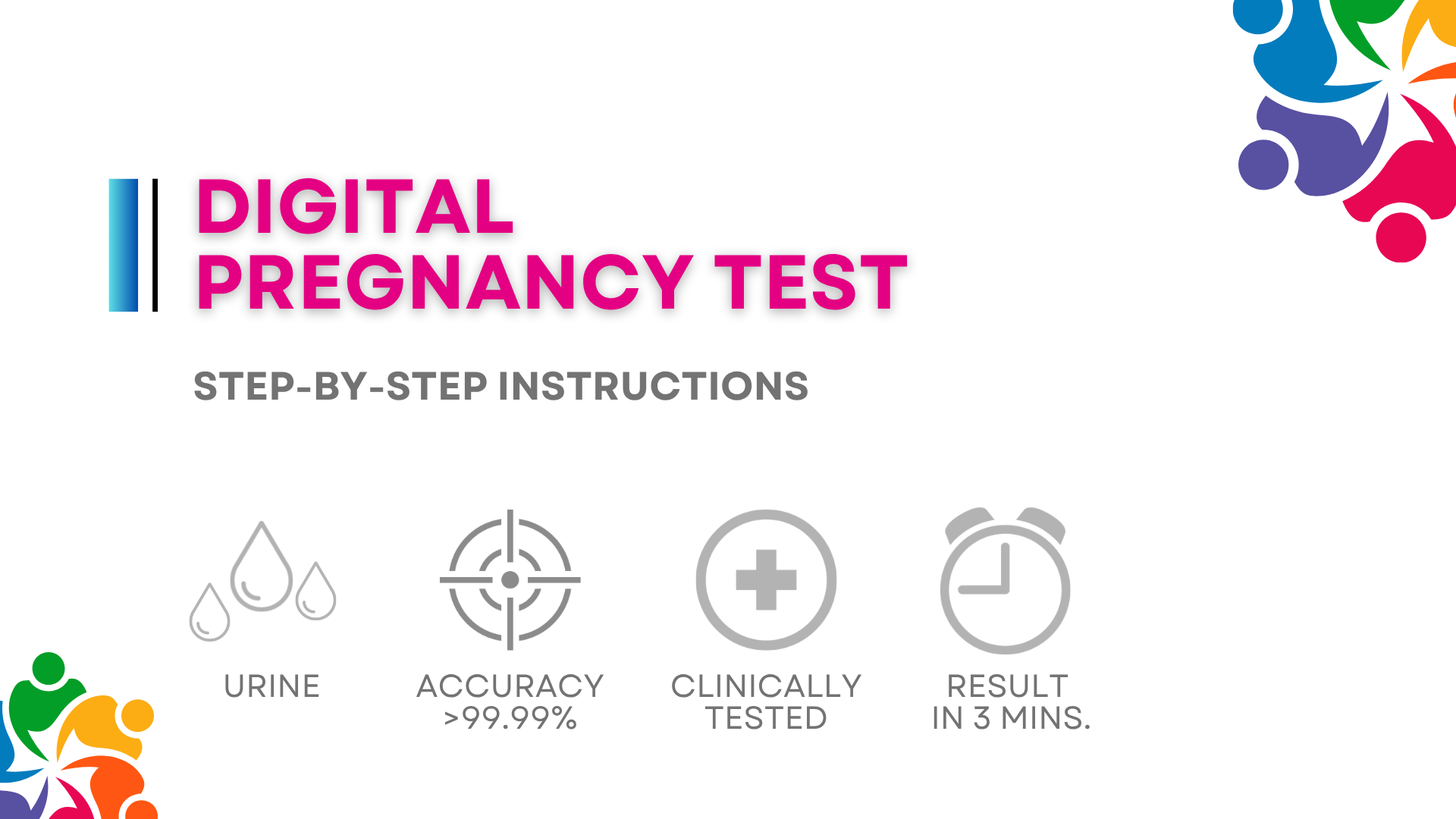
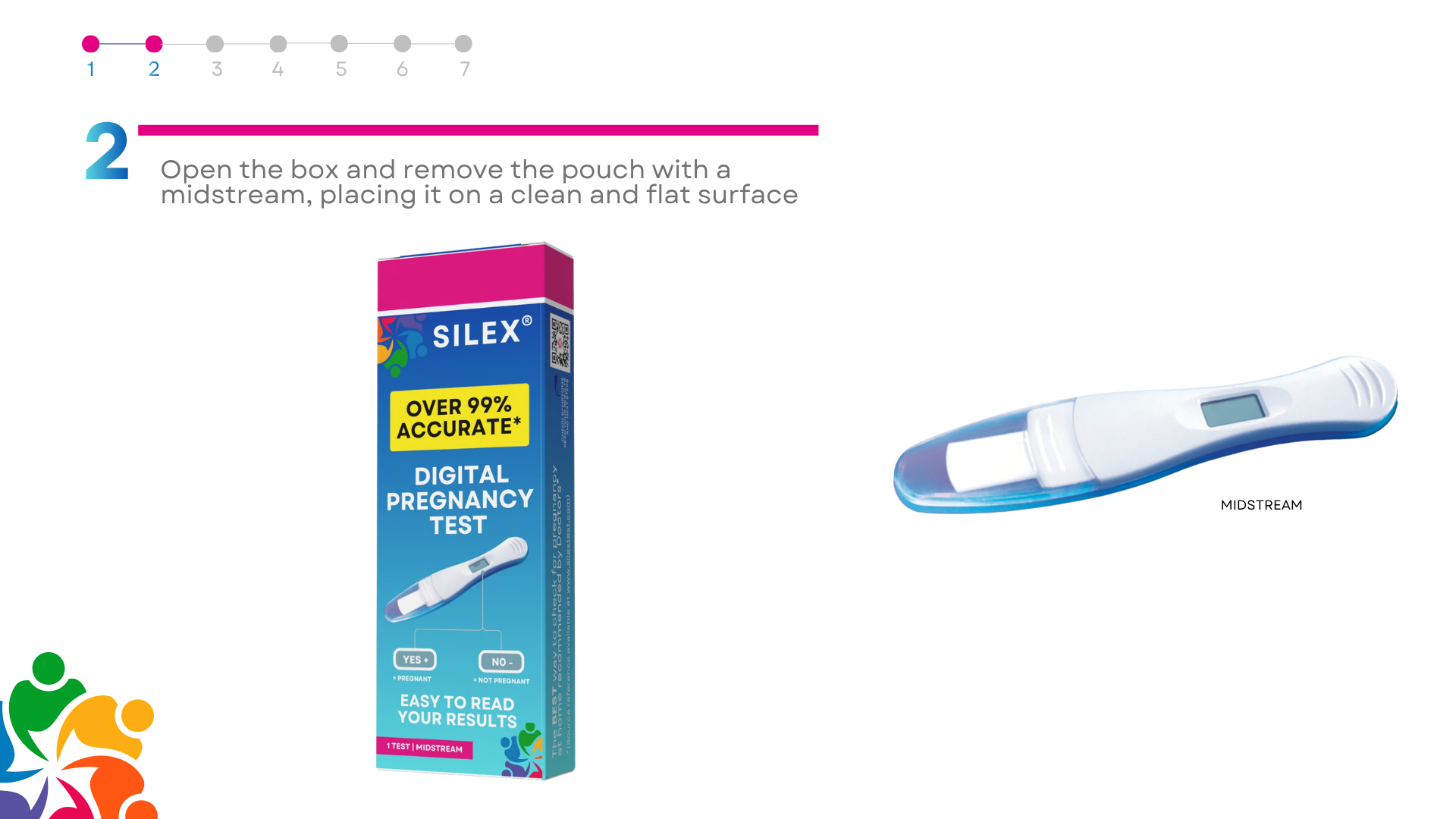
The SILEX Digital Pregnancy Test is designed for simple, discreet at-home use, delivering fast, clear, and reliable results in just minutes.
Using advanced technology to detect the pregnancy hormone (hCG), it provides over 99% accuracy from the expected day of your period.

-
 URINE
URINE
-
 ACCURACY > 99.99%
-
 CLINICALLY TESTED
-
 RESULT
IN 3 mins.
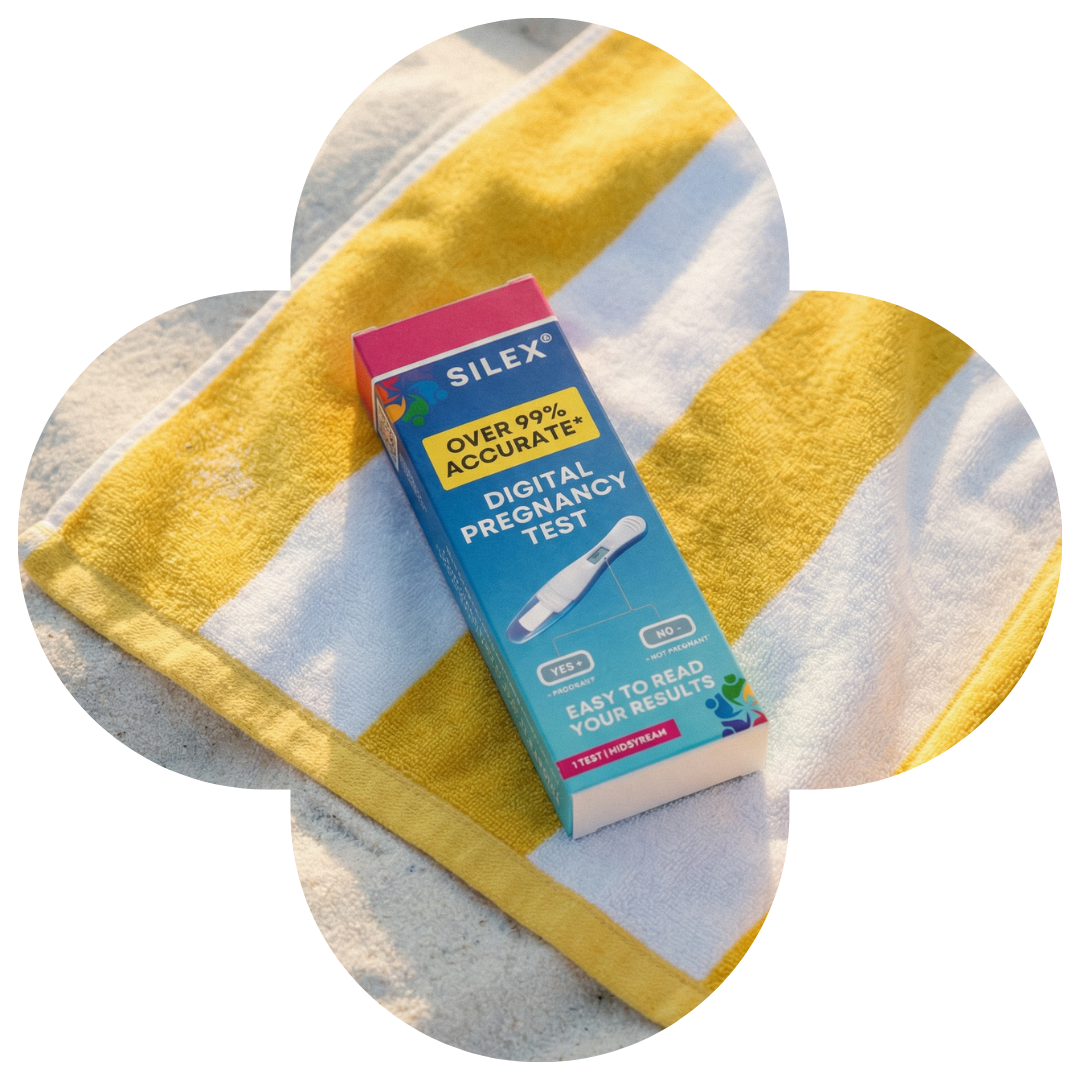
Test Overview
Symptoms
Every pregnancy is unique, and some women may experience no early signs at all.
However, common early symptoms can include a missed period, tender or swollen breasts, nausea or morning sickness, fatigue, increased frequency of urination, and changes in food preferences such as cravings or aversions

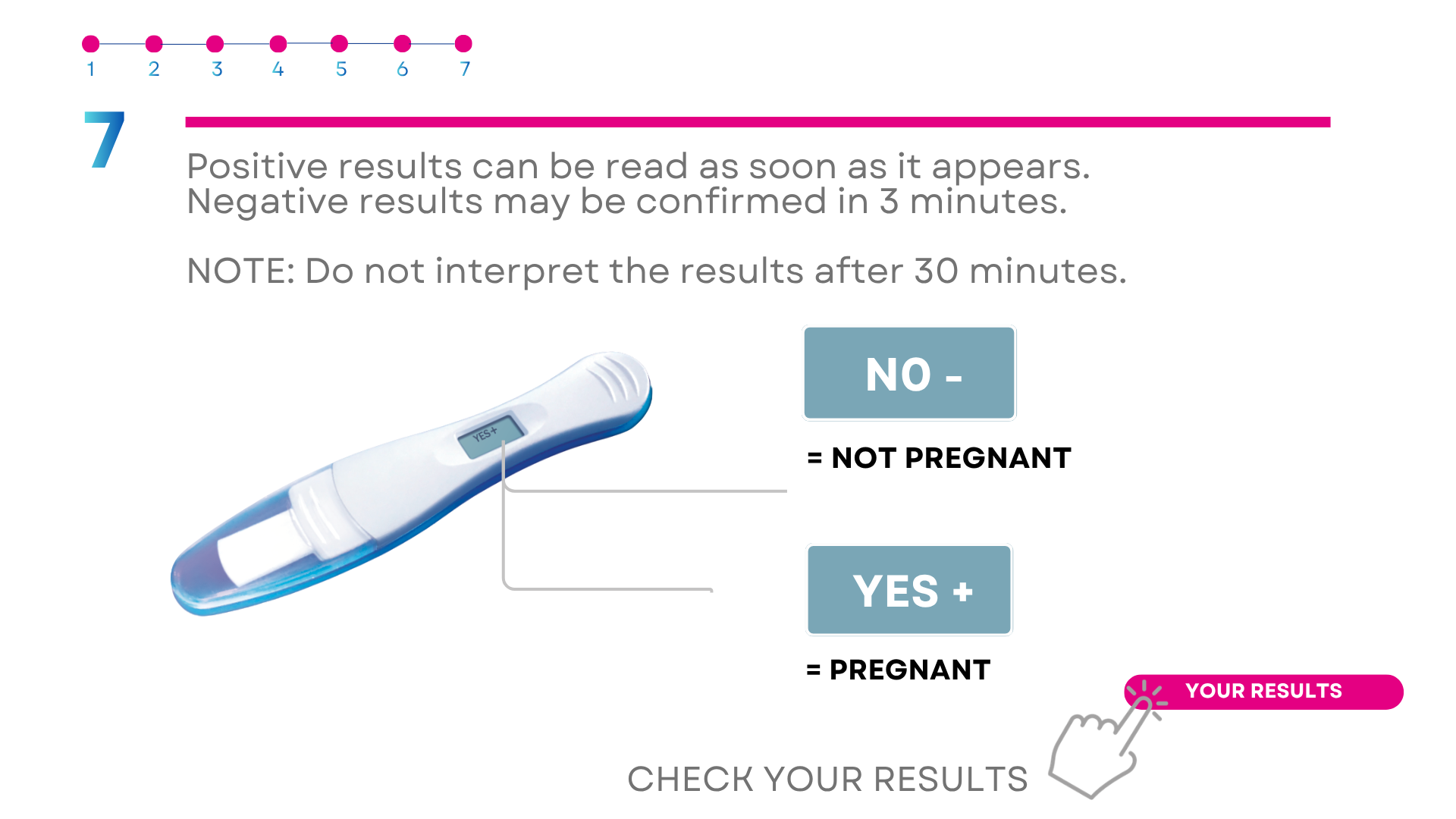
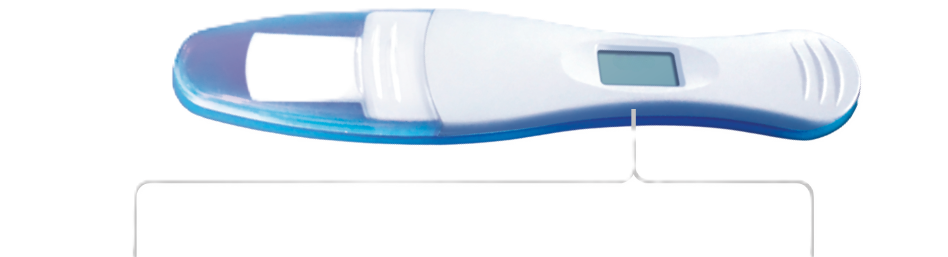
= POSITIVE, PREGNANT
= NEGATIVE, NOT PREGNANT
FAQs
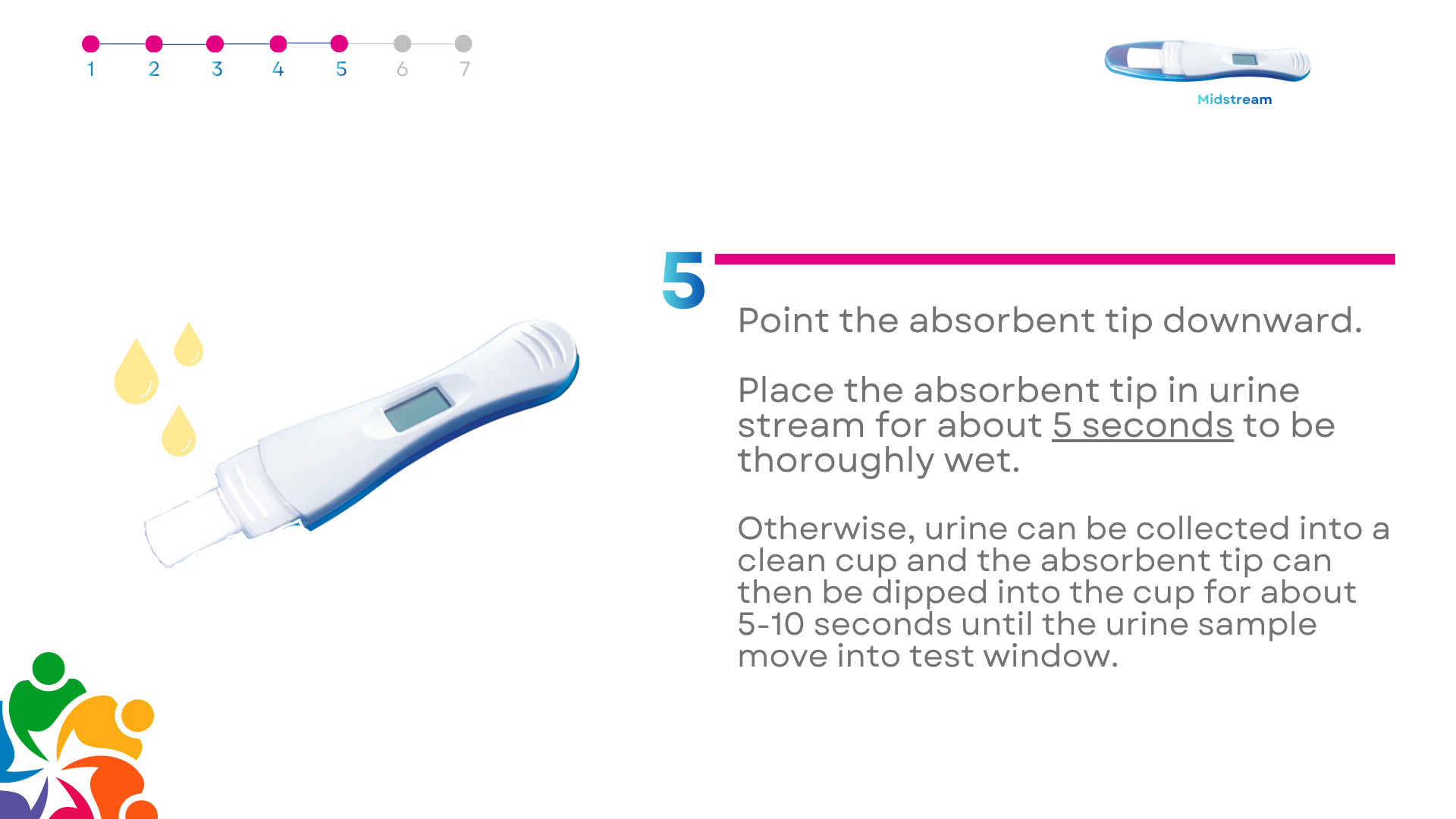
Make sure not to drink lots of fluids right before the test, as it can dilute your urine and may affect the result.
Every pregnancy is different. Some women may not even have any early symptoms.
Common early symptoms include:
- Missed period
- Sore or swollen breasts
- Nausea or “morning sickness”
- Tiredness
- Needing to pee more often
- Food cravings and aversions
Thinking ahead? You can prepare for pregnancy by:
- Taking a daily folic acid supplement
- Stopping smoking and cutting down on alcohol
- Eating a healthy, balanced diet
- Keeping fit and active
It’s also worth having a chat with your doctor, especially if you have any long-term health conditions.
There are some steps you can take from an early stage to improve both your health and that of your baby:
- Book an appointment with your GP or midwife
- Start or continue taking prenatal vitamins (especially folic acid)
- Stay hydrated
- Some things to avoid (not an exhaustive list)
- Alcohol
- Smoking
- Liver, liver pate, cod liver oil
- Certain foods which can give a listeria infection (undercooked meats, eggs, soft cheeses like brie & camembert, shellfish, unpasteurised milk or unpasteurised milk products like gorgonzola)
- Certain fish (swordfish and marlin) as they are high in mercury
- Raw fish like sushi or cured fish
- Animal droppings (so avoid handling cat litter)